 English
 French
 German
 Spanish
 Portuguese
 Dutch
 Italian
 Russian
 Chinese
 Japanese
 Korean
 Indonesian
 Thai
 Vietnamese
 Arabic
 Turkish
 Hebrew
 Hindi

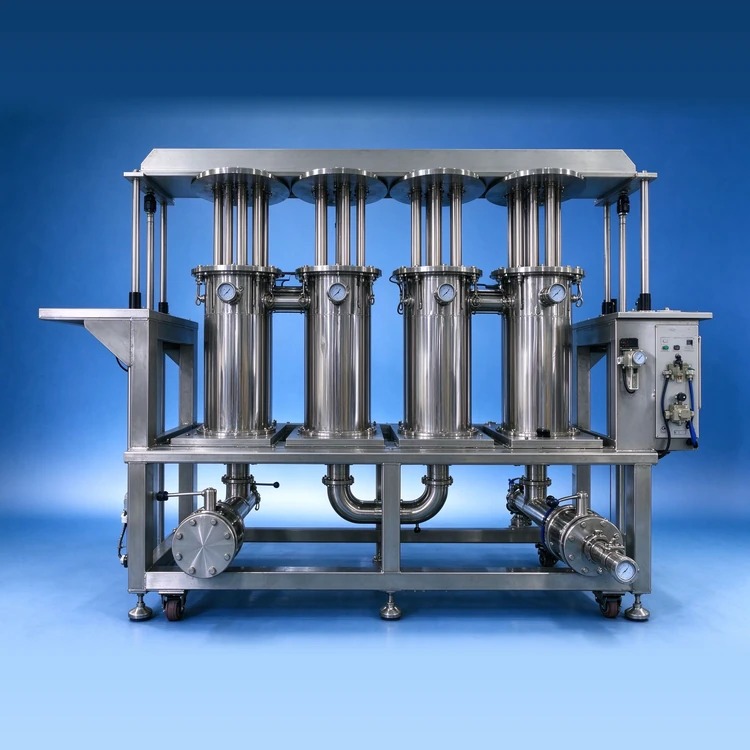
Lithium iron phosphate (LFP) is one of the most widely used cathode materials for lithium batteries. Trace fine iron contamination in LFP powder will cause internal short circuits, reduce battery cycle life and lead to huge product yield loss. Choosing a suitable magnetic separator, magnetic plate or magnetic bar system is critical for your LFP production line.
If you are sourcing magnetic iron removal equipment for LFP powder, you need to evaluate these core factors before placing an order.
1. Required Magnetic Strength (Gauss Value)
Ultra-fine iron particles mixed in LFP powder are usually micron-sized. Ordinary low-gauss magnetic bars cannot capture these tiny ferromagnetic impurities.
- For general coarse iron removal: 8000 Gs – 10000 Gs magnetic bar
- For fine iron removal of LFP cathode powder: 12000 Gs – 15000 Gs high gradient magnetic plate is the mainstream solution High gradient magnetic structures can create concentrated magnetic field zones to trap sub-micron iron debris, which is the standard choice for new energy material factories.
Note: The surface gauss reading is tested at the magnetic peak point. Always ask your supplier for official gauss test reports.
2. Stainless Steel Material Grade
Material contact layer is non-negotiable for lithium battery grade production. Metal contamination must be strictly avoided.
- SUS316L: Recommended for LFP powder and slurry. Excellent corrosion resistance, low risk of heavy metal precipitation, battery-grade standard.
- SUS304: Suitable for non-battery industries such as plastic, ceramic and general powder, NOT recommended for LFP cathode material. All welding seams must be polished smoothly, no dead corners for powder accumulation.
3. Match Structure Type With Your Process Flow
Different LFP production sections need different magnetic separator designs:
- Drawer Magnetic Separator: For free-flow dry LFP powder conveying pipelines. Easy to open and clean manually, widely used in powder screening and feeding stations.
- High Gradient Magnetic Plate: Installed inside silos, hoppers and chute. Compact layout, stable performance for continuous dry powder iron removal.
- Pipeline Magnetic Trap / Slurry Magnetic Separator: Used for wet LFP slurry before coating. Pressure-resistant sealed structure to prevent leakage.
4. Working Condition Parameters You Need to Provide Your Supplier
Send these data to magnetic equipment manufacturers to get an accurate customized solution:
- Dry powder or wet slurry process
- Powder flow rate / throughput per hour
- Operating temperature
- Installation space and inlet & outlet size
- Target iron impurity removal rate
- Explosion-proof requirement (if applicable)
5. Cleaning & Maintenance Design
LFP powder is fine and easy to stick on magnetic surfaces. Two cleaning options are available:
- Manual clean type: Lower cost, regular disassembly cleaning, most common for small and medium LFP lines
- Automatic self-cleaning magnetic separator: For high-capacity continuous production lines, reduce labor cost and production downtime
6. Quality Control & Factory Verification
Work with a manufacturer who has rich experience serving lithium material customers. Confirm they can provide:
- Gauss inspection report for each set
- ISO9001 quality control system
- Custom CAD drawing confirmation before production
- Sample test support if needed
Final Tip
There is no one-size-fits-all magnetic separator for LFP production. A high-gauss magnetic plate that works well for one production line may not fit your flow rate or installation environment. It is better to share your full process information with our engineering team to get a tailored iron removal proposal.
